Skip to content

Guide

Banner square metre calculator

How many square metres is your banner? Enter the size to get net m², material used from the roll, roll length and seams instantly.

Print type

Print type

Weights from our product pages; ask our branch for current stock.

Sizes

Enter finished (visible) sizes. Values are read as cm; you can also type “3 m”, “3.5m” or “3000 mm”.

    Roll and finishing

    Automatic picks the stock width with the fewest seams and least roll waste.

    Finishing

    Allowance folded and welded on each edge.

    Material folded for a pole; 0 = no pocket. No intermediate grommets on a pocketed edge.

    Always placed at the corners, then spread along the edges by spacing.

    50 cm is common; 30–40 cm in windy locations.

    Perimeter + 10% for tying.

    Advanced settings

    For cutting and edge trimming.

    Overlap of strips welded together.

    Leave on if the artwork direction does not matter; the job can lie across the roll and print without seams.

    Enter the width and height of at least one job.

    Preset on this page

    The tool opens with banner (frontlit), coated banner 380 g and 300 × 200 cm. Roll width is chosen automatically; hem allowance is 3 cm, grommet spacing 50 cm and waste 5%. Type sizes in cm or with a unit such as “3 m”. Use “Add job” for more sizes.

    Formulas

    • Net m² = width × height × quantity
    • Area with allowances = (width + 2 × hem) × (height + 2 × hem) × quantity × (1 + waste)
    • Strips = ⌈(edge across roll − overlap) ÷ (roll width − overlap)⌉, seams = strips − 1
    • Roll length = edge along roll × strips (or rows) × (1 + waste); material used = roll length × roll width

    Example: 3 × 2 m banner

    Net area 6 m². With 3 cm hems the gross size is 306 × 206 cm, about 6.62 m² with 5% waste. Rotated, the 206 cm edge fits across a 210 cm roll and the banner prints in one piece: about 3.21 m of roll and 6.75 m² of material, so the tool recommends 210 cm. A 320 cm roll is also seamless (about 2.16 m and 6.92 m²); on a 160 cm roll the same job needs two strips and one seam.

    Roll widths and weights come from the Asta Reklam stock list (AstaFlow, October 2026). The result is an approximate estimate; confirm stock and sizes with our branch before ordering.

    Last updated: 18 October 2026 · Full tool page
    How is it calculated?

    The tool adds hem and pocket allowances to each finished size, lays the job on the roll width and compares the result for every stock roll width.

    1. Print area

      Net m² = width × height × quantity. Adding hems, pockets and waste gives the area with allowances.

    2. Strips and seams

      If the job does not fit the roll width it is split: strips = ⌈(width − overlap) ÷ (roll width − overlap)⌉, seams = strips − 1.

    3. Grommets

      Each edge has ⌈edge ÷ spacing⌉ gaps; including the four corners the total ≈ perimeter ÷ spacing, rounded up.

    4. Rope and rolls

      Rope = perimeter × 1.1. Rolls = total length ÷ roll length, rounded up.

    Frequently asked questions

    How do I calculate banner square metres?

    Multiply the finished width and height in metres: 3 m × 2 m = 6 m², then multiply by quantity. Pricing usually uses this net area; material needs are higher because of hems, waste and roll offcut.

    Why is the material used more than the net area?

    Edges are folded and welded by about 3 cm each, around 5% is allowed for cutting, and if the job does not fill the roll width the rest is offcut. A 3 × 2 m banner is 6 m² net and uses about 6.75 m² from the best-fitting 210 cm roll.

    Which roll width should I choose?

    The tool compares every stock width and recommends the one with the fewest seams and least waste. If artwork direction does not matter, allow rotation; a 6 × 3 m job can then print seamless on a 320 cm roll.

    Related products

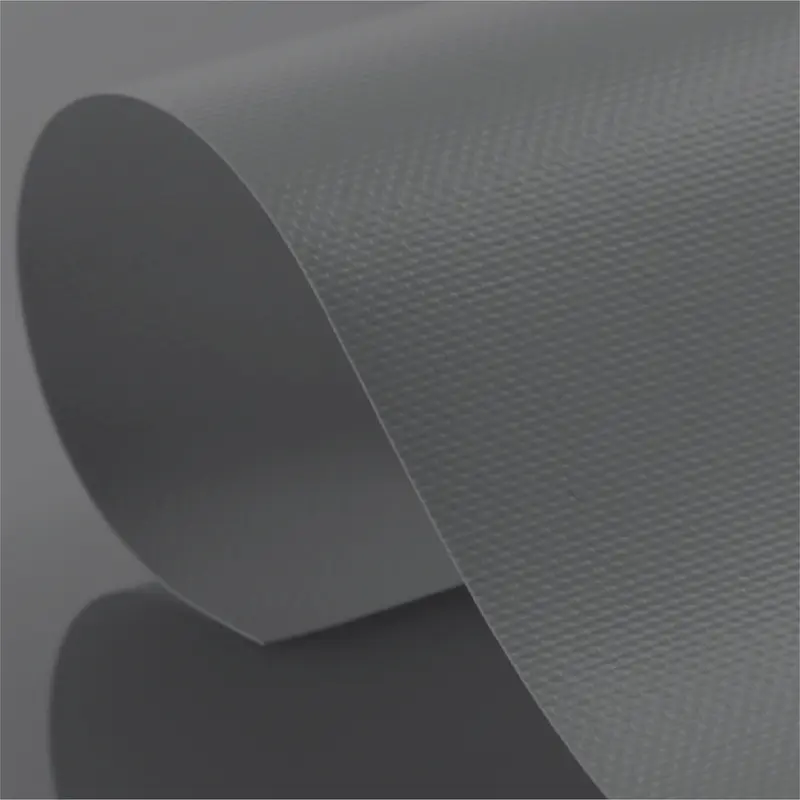
    • Starflex PVC Banner

      Starflex is an extremely durable material known as European vinyl, produced by pouring hot PVC over tightly woven threads. It is generally available with a matt surface and gives high quality in prints.

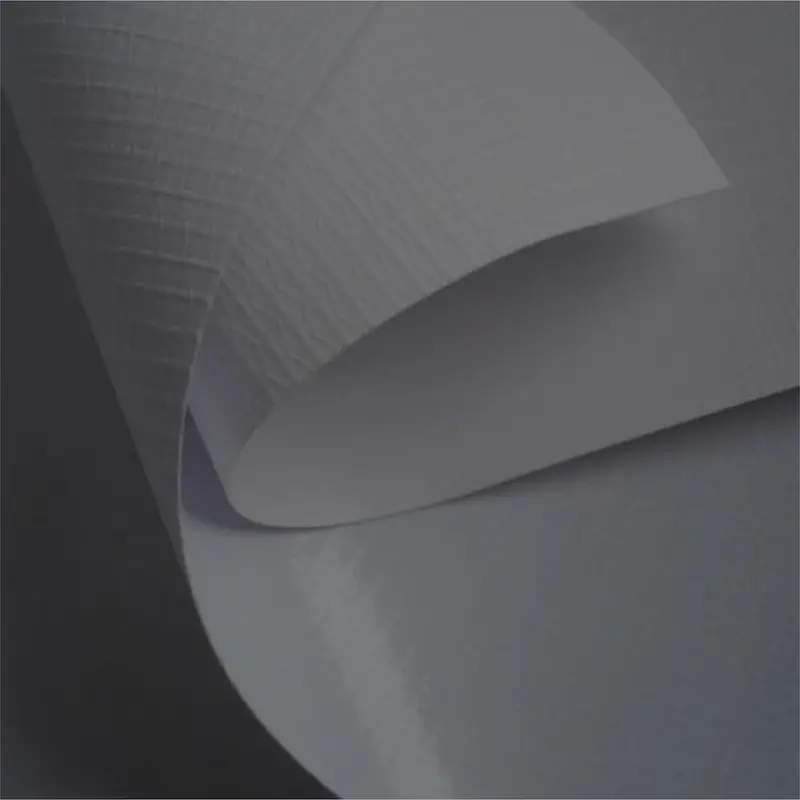
    • Laminated Vinyl Banner

      Laminated vinyl banners are durable digital printing banners produced by laminating a PVC coating passed through a hot roller onto both surfaces. Coated with a print-receptive PVC layer, these banners offer long-lasting, high-quality solutions in outdoor advertising.

    • Cast Vinyl Banner

      Cast vinyl is a durable material, also known as European vinyl, produced by pouring hot PVC over threads. Produced without lamination, this type of vinyl improves print quality with its matt surface and smooth structure, and lasts longer.

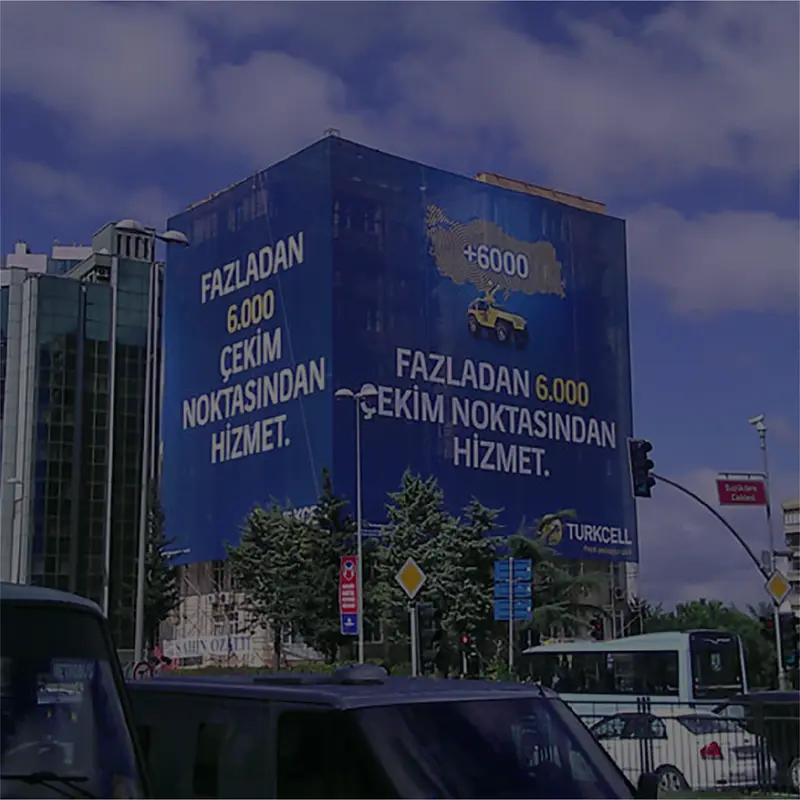
    • Mesh (Perforated) PVC Banner

      Mesh vinyl is a perforated version of laminated vinyl PVC banner and is preferred especially for large-scale outdoor prints. Its perforated structure lets wind pass through while also increasing the durability of the material.

    Related product groups