Skip to content

Guide

Aluminium composite panel weight

Calculate the weight of an aluminium composite panel from thickness and size; a 4 mm, 150 × 305 cm panel is preset.

Quick start

Choose your sheet

Sheet material

Acrylic (PMMA) · 1 mm thick ≈ 1.19 kg/m²

Tap one of the stock thicknesses below or type it, for example 3.

Enter the size and quantity

Standard sizes (cm)

Type cm, for example 125; “1.25 m” also works. You can also tap a standard size.

A whole number, for example 20. The total weight is based on it.

Transport and pallets (optional)

Estimates the number of pallets and which vehicle carries the order in one trip.

Enter your values; the result appears here.

Asta Reklam · astareklam.com.tr · approximate calculation

Link to this calculation:

What does this page calculate?

Aluminium composite panel (ACM, “Dibond”) is used for sign faces, façade cladding and channel letter returns. Planning installation and delivery requires the panel weight. The tool calculates the weight per square metre, the weight of one panel and of the whole order, carrying advice and, if you want, pallets and vehicle fit. The page opens with a 4 mm, 150 × 305 cm panel.

Why a data sheet table?

For single-material sheets such as acrylic or PVC foam, weight is thickness × density. A composite panel consists of two thin aluminium skins and a plastic core in between. The tool therefore uses the manufacturer’s values:

Thickness kg/m² (DIBOND, 0.3 mm skins, PE core)
2 mm 2.9
3 mm 3.8
4 mm 4.7
6 mm 6.6

For a thickness not in the table, the tool estimates with a layer model: 2 × skin × 2.70 (aluminium) + core thickness × 0.92 (PE). This model matches the data sheet values within 0.05 kg/m².

Step by step

  1. Unit weight: kg/m² from the data sheet table by thickness.
  2. Panel area: width (m) × length (m).
  3. Panel weight: unit weight × area; total = panel weight × quantity.
  4. Carrying: one person up to 25 kg, two up to 50 kg; a long side of 3 m or more needs at least two people.
  5. Delivery (optional): panels per pallet are limited by stack height and pallet load; pallets stand side by side on the load floor.

Example: 4 mm ACM, 150 × 305 cm

Area 1.5 × 3.05 = 4.575 m². Weight 4.7 × 4.575 ≈ 21.5 kg. As the long side is 3.05 m, the tool suggests two people. A 3 mm panel of the same size weighs about 17.4 kg. A 125 × 320 cm, 4 mm panel weighs 18.8 kg; 150 × 320 cm weighs 22.6 kg. An order of 20 panels weighs about 430 kg, and the tool shows that a 3.5 t light truck carries it, including pallet tare, in one trip.

How to use the result

The kg/m² of composite panel depends on brand, skin thickness and core; FR (fire-retardant) core panels are noticeably heavier. For façade and substructure calculations use the value in the data sheet of the stocked product. For a job with offcuts, first find the number of panels with the cutting calculator. Add the result to the basket and request a quote; our branch will reply with price and stock.

Source: 3A Composites DIBOND Product Guide (pp. 6–7) thickness and weight table; Aludecor and Alucobond values from third-party sources, not verified. Pallet and vehicle values are example assumptions. Values are approximate.

Last updated: 20 October 2026 · Full tool page
How does it work?

How does it work?

Unit weight × area × quantity; data sheet table for aluminium composite.

  1. Choose the material

    Acrylic, ACM, PVC foam, polycarbonate, PETG or MDF.

  2. Thickness and size

    Tap a stock thickness and a standard size, or type your own.

  3. See the weight

    kg/m² = thickness (mm) × density (g/cm³); sheet and total weight, carrying advice.

  4. Plan the delivery

    Optionally show pallets and vehicle fit; add the result to the basket.

Frequently asked questions

How much does 1 m² of 4 mm aluminium composite weigh?

With 0.3 mm aluminium skins and a PE core it is about 4.7 kg/m² (3A Composites DIBOND data sheet). Panels with 0.5 mm skins can reach 5.5 kg/m².

How heavy is a 3 mm composite panel?

The DIBOND data sheet gives 3.8 kg/m² for 3 mm. PE-core market products range from 3.5 to 4.5 kg/m²; fire-retardant (FR, mineral-core) panels go up to 5.9 kg/m².

How heavy is a 4 mm ACM panel of 150 × 305 cm?

The area is 1.5 × 3.05 = 4.575 m². At 4.7 kg/m² that is about 21.5 kg. Although it is under 25 kg, the long side exceeds 3 m, so two people should carry it.

Why is composite panel weight not calculated from density?

The panel consists of two thin aluminium skins and a plastic core; it has no single density. The tool therefore uses the kg/m² table by thickness from the manufacturer’s data sheet. If you enter a thickness that is not in the table, it estimates with 0.3 mm skins and a PE core and shows a warning.

Which vehicle carries 20 composite panels?

Twenty 4 mm panels of 150 × 305 cm weigh about 430 kg and fit on one pallet; with pallet tare about 455 kg. A panel van is narrower than 150 cm between the wheel arches, so the panel does not fit flat; a 3.5 t light truck carries it in one trip.

Related products

  • Aluminium Composite Panel

    Aluminium Composite Panel

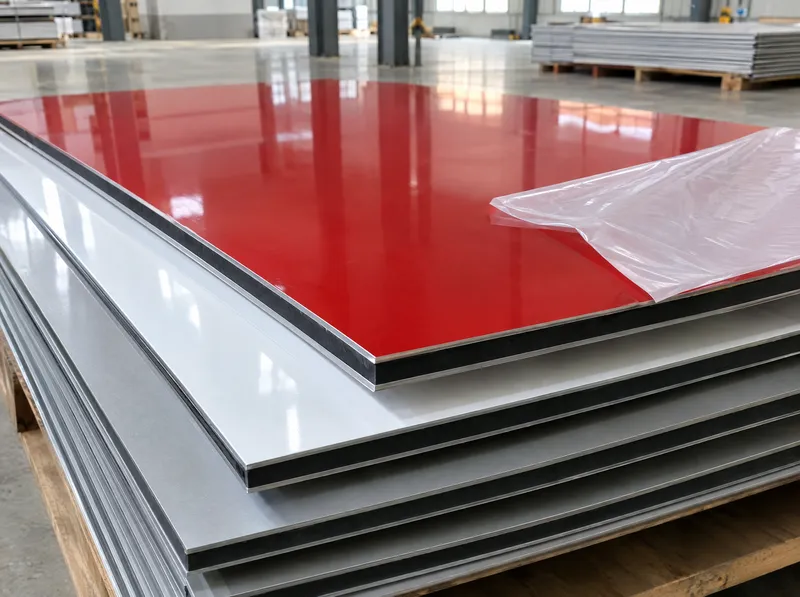
    Aluminium composite panels are a material produced with advanced technology and often preferred in advertising and modern architecture. These panels consist of eco-friendly polyethylene between two aluminium layers.

  • PVC Foam Board (Forex)

    PVC Foam Board (Forex)

    PVC foam board (dekota, Forex) is a light, economical, easily machined sheet made by foaming PVC raw material into board. Its smooth surface suits digital printing and it is used for outdoor advertising, signs, stands and decorative panels.

  • Acrylic Plexiglass Sheet

    Acrylic Plexiglass Sheet

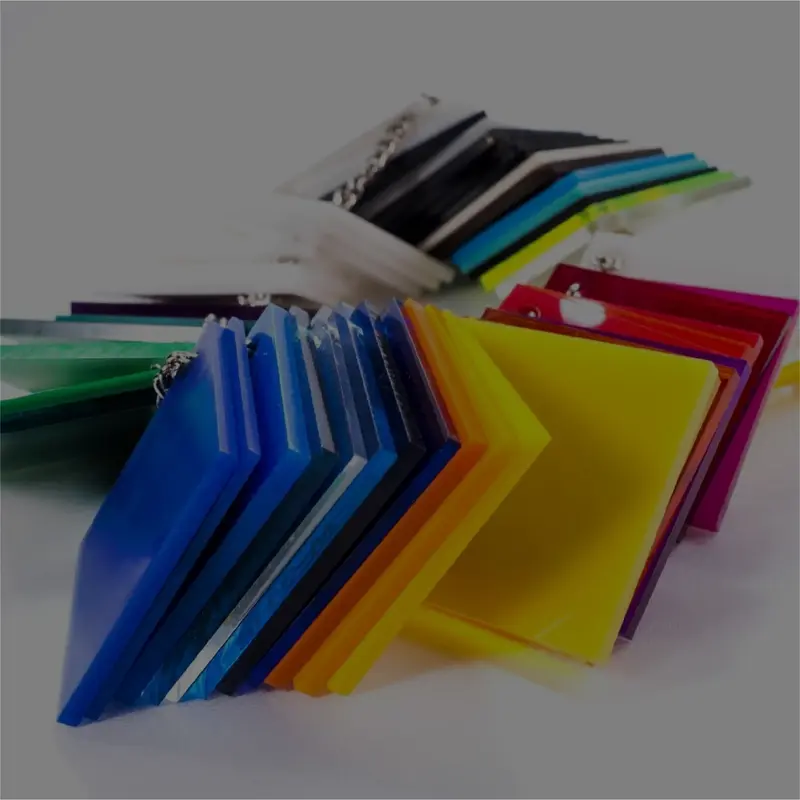
    Acrylic (plexiglass, PMMA) is a crystal-clear plastic sheet that is lighter than glass and impact-resistant. It is heat-formed and cut by laser and CNC; in 2–50 mm thicknesses and clear, opaque and fluorescent colours it is used for signs, lighting and furniture.

Related product groups

  • Sheet Products

    17 products