Skip to content

Guide

Sign letter size calculator

Choose the road speed, number of letters and sign type; see the minimum, recommended and comfortable letter height for a legible sign. A 50 km/h city street is preset.

Quick start

Choose who reads it

Calculation direction
Viewer

The speed limit or typical speed, for example 50 (5–150 km/h).

Metres; you can type "12.5" or "12.5 m". 0.5–1000 m.

For drivers the viewing distance comes from speed and reading time.

Advanced settings
Road setting

Junctions, traffic; 5 s manoeuvre

Visual clutter

Busy signage, lights and traffic reduce legibility (reading distance × 0.83 or × 0.67).

Keep on for a business sign: the driver reads it, slows down and turns into the entrance.

Light box; the whole face glows

Sans-serif: Helvetica, Arial and similar. Serif: Clarendon, Times and similar.

Letters

Mixed upper and lower case is a little easier to read at the same height.

Type the copy and the letters are counted.

Excluding spaces, for example 12 (1–60); each letter adds 0.1 s to the reading time.

Enter your values; the result appears here.

Asta Reklam · astareklam.com.tr · approximate calculation

Link to this calculation:

What does this page calculate?

The size of sign letters depends on who reads the sign and at what speed. Using the research-based method of the USSC (United States Sign Council), the tool calculates the reading time, the viewing distance and the minimum, recommended and comfortable letter height for that distance. The recommended value is rounded up to the next 5 cm. The page opens with a 50 km/h city street and a 20-letter sign.

Step by step

  1. Reading time (VRT): detection (0.5 s on a quiet road, 1 s on a street or multi-lane road) + 0.1 s reading per letter + 0.02–0.04 s per letter to look back at the road + manoeuvre (4, 5 or 6 s). If the driver can turn after passing the sign, no manoeuvre time is added.
  2. Viewing distance (VRD): speed (mph) × 1.47 × VRT; the tool converts km/h itself and returns metres.
  3. Legibility index (LI): from the USSC table by lighting, colour, typeface and case; × 0.83 or × 0.67 for clutter.
  4. Letter height: VRD ÷ LI. In metric: letter (cm) = distance (m) × 100 ÷ (LI × 12).
  5. Comfortable value: with table LI × 0.65, because legibility drops by at least 35 % on real roads; it is not multiplied by the clutter correction as well (the smaller of the two applies).

Examples

Scenario Reading time Viewing distance Minimum Recommended Comfortable
Street 50 km/h, 20 letters, moderately busy 8.8 s 122.5 m 49.2 cm 50 cm 65 cm
Motorway 120 km/h, 12 letters, simple setting 8.7 s 290 m 96.7 cm 100 cm 150 cm
Pedestrian, shop window 10 m – 10 m 8.3 cm 10 cm 25 cm

All for an internally lit, translucent face with black letters on white in ALL CAPS. At the same height, mixed case is legible about 15–20 % further away.

Sign size and materials

The tool also estimates the sign size from the recommended letter: letter width plus spacing of height × 0.75 for capitals and × 0.6 for mixed case, with half a letter height of margin on each side. For 50 cm capitals and 20 letters that is about 800 × 100 cm. The materials list and the LED calculation for channel letters open from the result section.

How to use the result

The result is a preliminary estimate. Local sign regulations may limit letter and sign size; facade size and viewing angle also matter. Add the calculation to the basket and request a quote; our branch will reply with prices and stock.

Source: USSC Foundation, Guideline Standards for On-Premise Signs (2018): Table 2 reading time components, viewing distance formula and legibility index table. Pedestrian rules from the Printerflo and Pannier Graphics trade tables. Sign size ratios are assumptions.

Last updated: 20 October 2026 · Full tool page
How does it work?

How does it work?

Four steps to a legible sign.

  1. Choose the viewerPedestrian or driver? For drivers, speed and road setting set the reading time.
  2. Describe the signLighting, typeface, colours and number of letters change the legibility index.
  3. Read the resultRecommended, minimum and comfortable letter height; or the reading distance of a letter.
  4. Move to materialsContinue to the channel letter LED calculation, add to the basket and request a quote.

Frequently asked questions

How tall should letters be on a street sign?

On a 50 km/h city street, a 20-letter internally lit sign in capitals needs at least 49 cm, with 50 cm recommended. For comfortable reading, 65 cm. Fewer letters mean a shorter reading time and smaller letters.

How large should letters be on a motorway sign?

At 120 km/h on a multi-lane road, a 12-letter internally lit sign needs about 290 m of reading distance; at least 97 cm, with 100 cm recommended. Letters grow fast with long copy; keep to the brand name and one message.

How tall should shop window lettering be?

If pedestrians read it from 10 m, about 8 cm is the minimum and 10 cm is recommended; go to 25 cm for comfortable reading. USSC has no pedestrian formula; the trade rules of 10 ft/in and 4 ft/in are used.

Why does the number of letters change the result?

According to USSC, a driver spends about 0.1 s per letter. More letters mean a longer reading time, more distance travelled in that time and a sign that must be read from further away. A 30-letter sign takes about 2–3 s longer to read than a 10-letter one.

Why does the “1 inch per 10 feet” rule give a different answer?

The 10 ft/in rule is a conservative lower bound and gives letters 2–3 times larger than USSC. The USSC test track average is 30 ft/in and drops to 20–25 on real roads. The tool shows both; if budget and facade allow, the larger one is the safe side.

Related products

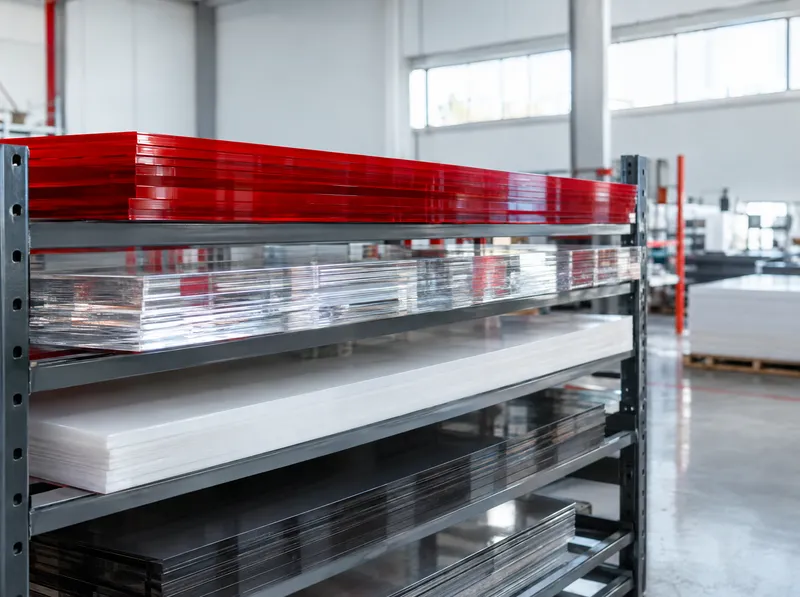
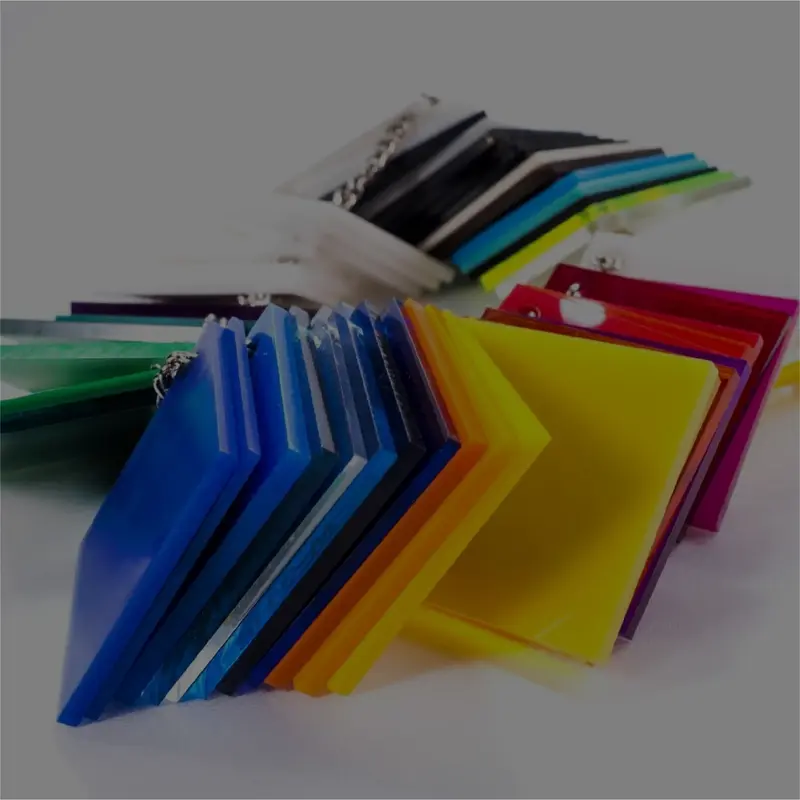
  • Acrylic Plexiglass Sheet

    Acrylic Plexiglass Sheet

    Acrylic (plexiglass, PMMA) is a crystal-clear plastic sheet that is lighter than glass and impact-resistant. It is heat-formed and cut by laser and CNC; in 2–50 mm thicknesses and clear, opaque and fluorescent colours it is used for signs, lighting and furniture.

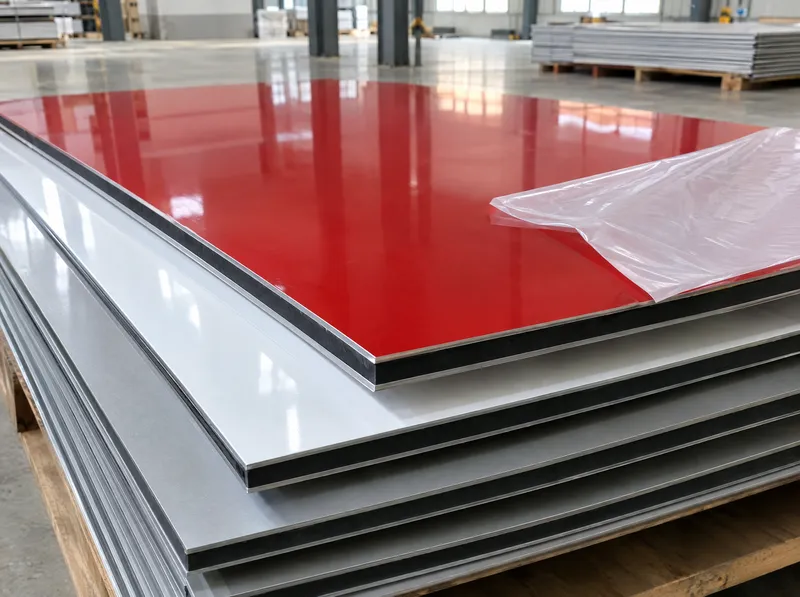
  • Aluminium Composite Panel

    Aluminium Composite Panel

    Aluminium composite panels are a material produced with advanced technology and often preferred in advertising and modern architecture. These panels consist of eco-friendly polyethylene between two aluminium layers.

  • PVC Foam Board (Forex)

    PVC Foam Board (Forex)

    PVC foam board (dekota, Forex) is a light, economical, easily machined sheet made by foaming PVC raw material into board. Its smooth surface suits digital printing and it is used for outdoor advertising, signs, stands and decorative panels.

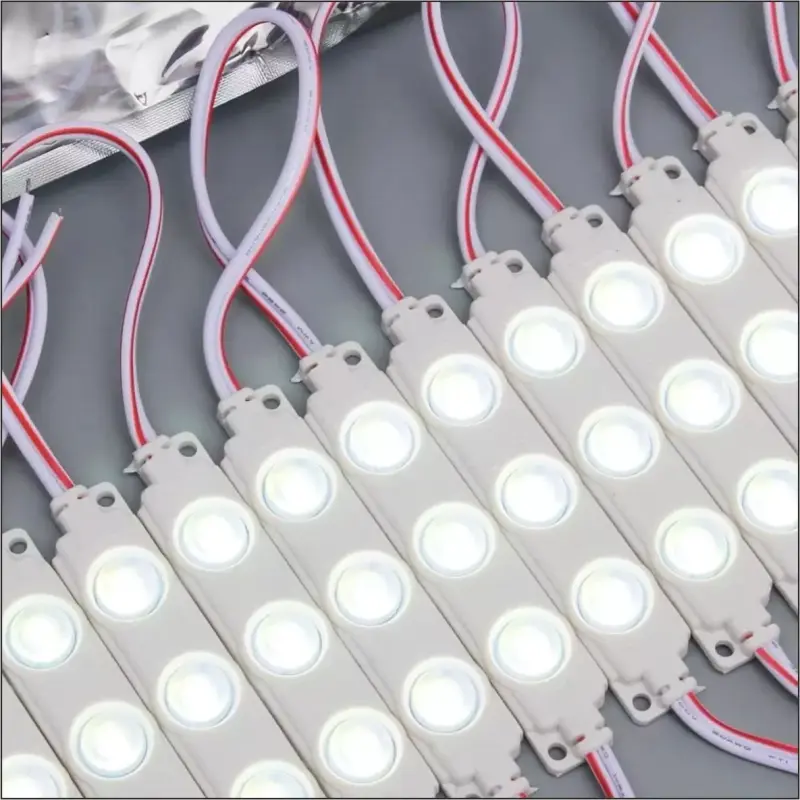
  • LED Module

    LED Module

    RGB LED modules (lens LEDs) are low-energy, long-life lighting elements that create different colour combinations from three primary colours (red, green, blue) to achieve the desired lighting effect. Their lens design spreads light over a wider area and provides intense illumination.

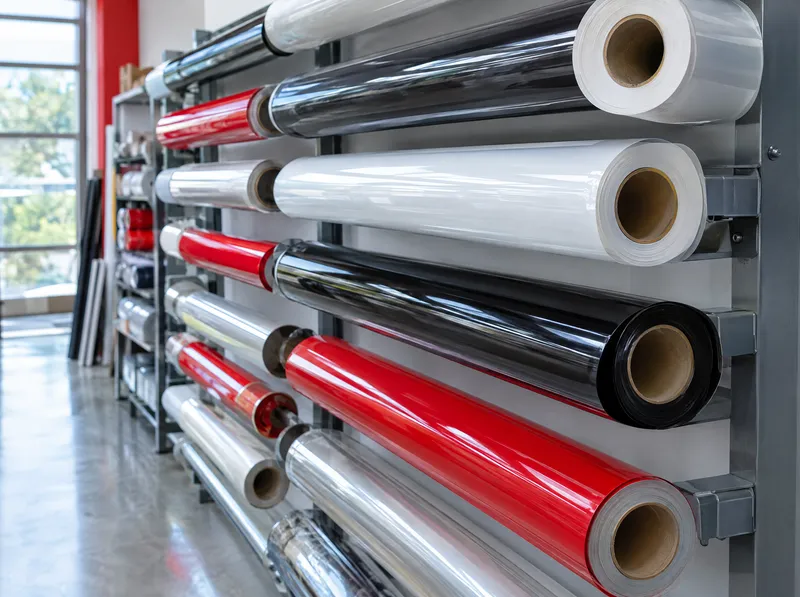
  • Cut Vinyl Films

    Cut Vinyl Films

    Plotter cut film is coloured, self-adhesive PVC vinyl made for cutting letters, logos and shapes on a cutting plotter. It is usually 50–150 micron thick and used for signs, shop windows, vehicle graphics and interior decoration.

Related product groups

  • Sheet Products

    17 products

  • Vinyl Films

    15 products