Skip to content

Guide

LED strip power supply calculator

Calculate total watts, the power supply, reels and feed points from the length of LED strip or neon; a 10 m strip example is preset.

Dimensions

Dimension source

Height of the tallest capital letter.

Do not count spaces or punctuation.

Font weight

Stroke width of the letters; bold lettering needs more modules.

LED and installation

Inside depth of the letter or box. Module spacing grows with depth.

Voltage
Installation

Wide-angle (lens) modules can be spaced further apart.

Advanced settings

Added for failures and installation losses; 10% recommended.

Cable from the power supply to each feed line; cross-section and voltage drop are chosen from it.

Enter the dimensions to see the result.

What this page calculates

From the total length, the tool estimates the total power, the required power supply, the number of reels and feed points, and the cable cross-section; for neon it also adds the aluminium channel and mounting clips.

Method

  • Length is rounded up to the cut interval, then divided by the reel length.
  • Total power (W) = length (m) × W/m; current (A) = W ÷ V.
  • Required PSU power = total power × 1.25 (no more than 80% of the capacity).
  • Feed points = ⌈length ÷ maximum single-end length⌉.

Example: 10 m of strip

12 V, 4.8 W/m: 48 W, 4 A, required PSU power 60 W, so 1 × 60 W; 2 feed points and 2 reels of 5 m. The same length at 24 V also draws 48 W but only 2 A and can be fed from one point.

Outdoors, use at least IP65 strip and an IP67 power supply. The result is an estimate; the data sheet values apply.

Source: typical strip and neon data sheets; power supply sizes from the Asta stock list (AstaFlow, October 2026).

Last updated: 18 October 2026 · Full tool page
How it works

From dimensions to a material list in three steps.

  1. Choose the calculation

    Channel letters, light box, or LED strip and neon. For letters, enter the size or upload your SVG drawing.

  2. Set the model and location

    Choose the return depth, module or strip model and indoor/outdoor; the result updates instantly.

  3. Add the list to the basket

    Add the module, power supply and cable list to the project basket and request one quote.

Frequently asked questions

What power supply does 5 m of LED strip need?

It depends on watts per metre. A 4.8 W/m strip draws 24 W over 5 m; the required PSU power is 24 × 1.25 = 30 W, so a 36 W unit is enough. A 14.4 W/m strip draws 72 W; required 90 W, PSU 100 W.

Why not run a power supply at full load?

At full load a power supply runs hot, its life shortens and the voltage can sag. Asta’s rule is to use no more than 80% of the capacity, so the total power is multiplied by 1.25.

Can a long strip be fed from one end?

Typically a 12 V strip is fed up to 5 m and a 24 V strip up to 10 m from one end. Beyond that the end of the strip turns yellow or dim. The tool gives the number of feed points; each has its own cable to the power supply.

Related products

  • LED Strip

    LED strips are thin, long LED tapes that offer decorative and functional lighting solutions with their flexible structure. They are generally used indoors for shop window, furniture, shelf and cabinet lighting, and are also preferred outdoors with waterproof options.

  • Neon LED Strip

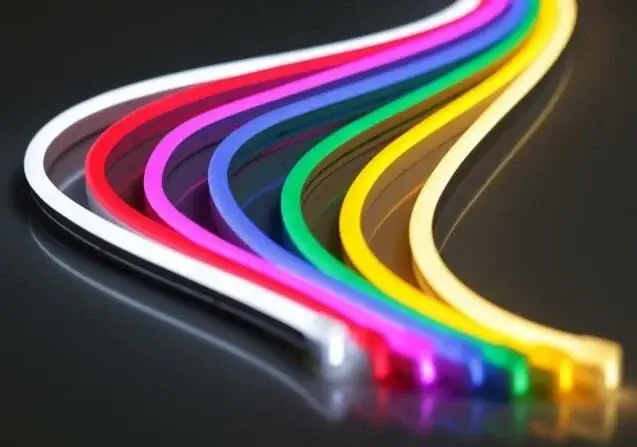
    Neon LED strips combine the classic neon light effect with modern LED technology. Thanks to their flexible structure, various shapes and designs can be created.

  • Indoor Power Supply

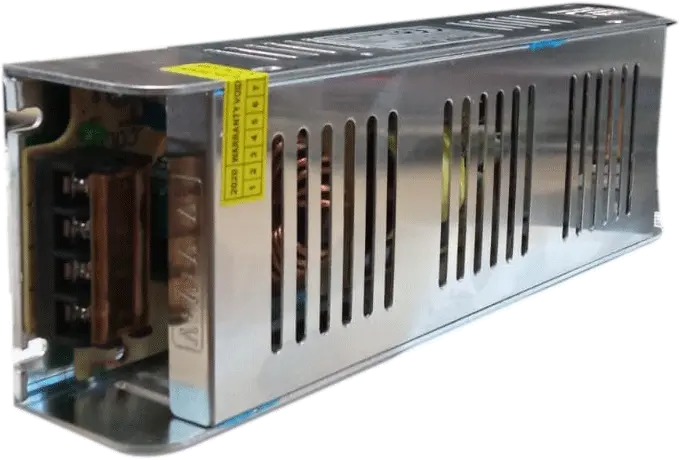
    Power supplies are an indispensable source of supply for systems that differ by voltage and amperage. They are used in indoor advertising signs and wayfinding.

  • Outdoor Power Supply

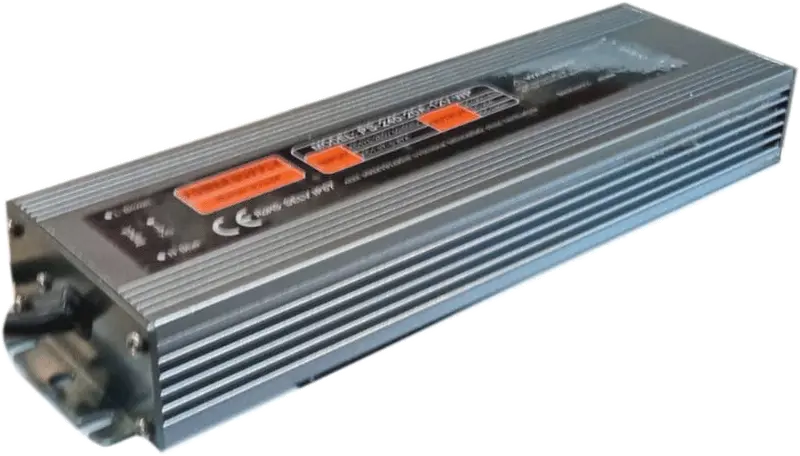
    Outdoor power supplies are used with strip, module and neon LEDs in LED strips, security cameras, homes, offices, workplaces, signs and wayfinding, and multi-purpose decor products. Their insulated structure makes them waterproof and suitable for long-term outdoor use.

  • LED Module

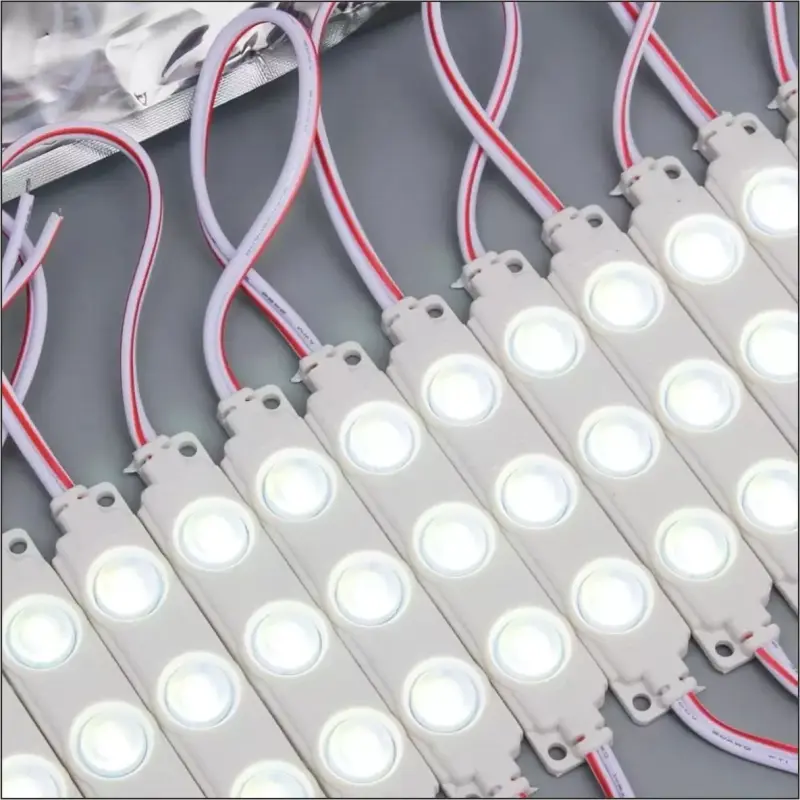
    RGB LED modules (lens LEDs) are low-energy, long-life lighting elements that create different colour combinations from three primary colours (red, green, blue) to achieve the desired lighting effect. Their lens design spreads light over a wider area and provides intense illumination.

Related product groups